
 0
0



- Home
- Blog
- Industry Trends
- Global Building Materials Market Trends: New Raw Material Layouts Amid Supply Chain Changes
Global Building Materials Market Trends: New Raw Material Layouts Amid Supply Chain Changes
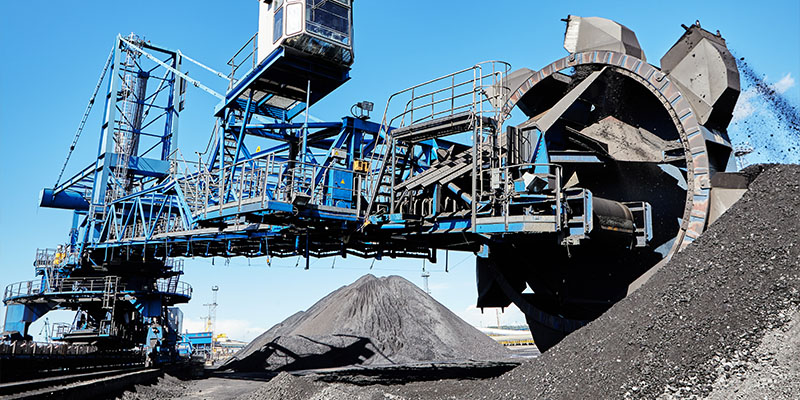
Global building and infrastructure development continues to grow, driving market demand for raw materials such as portland cement, clinker, limestone, aggregate, natural gypsum, and granulated blast furnace slag (GBFS). In the face of fluctuating energy prices, international shipping logistics, environmental policies, and regional market shifts, the building materials industry is gradually shifting from pure price competition to competing on supply stability, quality management, and global resource integration capabilities.
Building a more resilient and dependable supply chain has become a critical factor for construction material suppliers and procurement firms in their future market layout.
What key trends are transforming the global construction materials market?
As global infrastructure investment, urban development, and low-carbon transition continue to advance, the construction raw materials market is undergoing rapid transformation. From product sourcing and international logistics to quality and environmental standards, companies must comprehensively evaluate their supply strategies to mitigate risks driven by market volatility.
Four Key Trends Shaping the Future of Global Building Materials and Bulk Raw Materials.
1. The global supply chain is placing greater emphasis on stability and resilience.
Supply source diversification for market risk reduction
Global raw material markets are easily influenced by energy costs, regional supply and demand, freight rates, and international affairs. Depending too heavily on a single source of supply may raise the risks and uncertainties of purchasing and delivery.
Develop a more resilient sourcing strategy
Integrating global supply resources allows companies to flexibly adapt procurement strategies to price, quality, delivery, and demand. This ensures a stable raw material supply in a fast-changing market.
2. Infrastructure boom drives building material demand
Urban development creates long-term market demand
Roads, bridges, housing, public infrastructure, and large-scale development projects all require vast amounts of cement, clinker, aggregates, and other construction raw materials. In particular, as Asia and emerging markets continue to drive urban development, the demand for building materials still holds substantial long-term growth potential.
Stable supply has become the key to market competitiveness
When facing large-scale engineering projects and long-term construction needs, besides product pricing, whether a supplier possesses the capabilities for stable supply, quality management, and international logistics coordination has increasingly become a critical consideration in procurement decisions.
3. Driving Industries Toward a Low-Carbon and Sustainable Future
Building materials industry accelerates environmental transition
As global focus on carbon emissions and sustainable development continues to rise, the cement and building materials industry is actively seeking ways to reduce its environmental impact.
Materials such as granulated blast furnace slag (GBFS) can be applied to various cement and concrete formulations, diversifying material choices and making sustainability and resource efficiency key development directions for the building materials industry.
Shifting from price to overall value
Future procurement of construction materials will look beyond just comparing product prices. Companies will increasingly evaluate potential partners based on critical factors such as product quality, supply reliability, material characteristics, and environmental benefits.
4. International logistics and resource integration capabilities have become more crucial
From product supply to end-to-end services
Managing bulk commodities covers everything from procurement and port operations to shipping, documentation, and delivery. A hitch in any of these areas can easily disrupt your entire supply chain.
Professional integration enhances supply efficiency
Suppliers equipped with international procurement and logistics coordination experience can integrate the entire process—from product sourcing and specification verification to shipping arrangements. This helps clients minimize communication costs and supply risks, establishing a more efficient international sourcing model.
Conclusion
In a fast-changing global market, businesses need more than suppliers—they need long-term partners with global resource networks and deep trade expertise. TA YI (U.K.) MATERIALS LIMITED excels in the international trade of building materials and mineral raw materials. Driven by our global network and industry expertise, we continuously supply clinker, portland cement, limestone, coal, natural gypsum, aggregate, and GBFS (granulated blast furnace slag). Our mission is to build stable, dependable, and competitive supply services that drive our clients' success.
If you have any questions, please feel free to contact us: Contact Us

TA YI Editorial Team
Specializing in global building materials, mineral raw materials, and international trade, our team shares the latest industry trends, material knowledge, and market insights. With years of experience in global supply and market operations, we provide practical and valuable industry perspectives.
